

By Sophia Smith
Proposed Zoning Overhaul: What Could Change
Dayton city planners are pushing for major changes to zoning rules, aiming to place a total ban on data centers over 100,000 square feet, and tighten restrictions for gas stations and car washes. Though Dayton has operated under a moratorium for large data centers, these additions would create strict new standards impacting future development. Internal-use server operations would still be allowed. These changes are now on the table for upcoming public hearings.
Flock Cameras Under Fire
Residents are asking for the removal of Flock automated license plate readers (ALPRs), citing concerns over privacy, data sharing, and accountability. After an internal review revealed data had been shared with multiple law enforcement agencies outside policy limits—including over 7,100 requests tied to immigration enforcement—the city suspended the program. Community members want transparency about past data, public scrutiny of the program’s rules, and a clear timeline for removal.
Revive35 Initiative: Rethinking the US-35 Corridor
Revive35, a long-term planning effort funded by a federal grant, is studying ways to repair some of the harm caused by past highway construction through Dayton. The work includes identifying dangerous ramps, reconnecting neighborhoods severed by US-35, improving pedestrian and bicycle access, and evaluating noise and pollution impacts. Local streets, housing, businesses, and parks near the corridor are also central to the discussions. Residents can track maps, events, and updates via the official Revive35 site.
Tensions and Community Voice
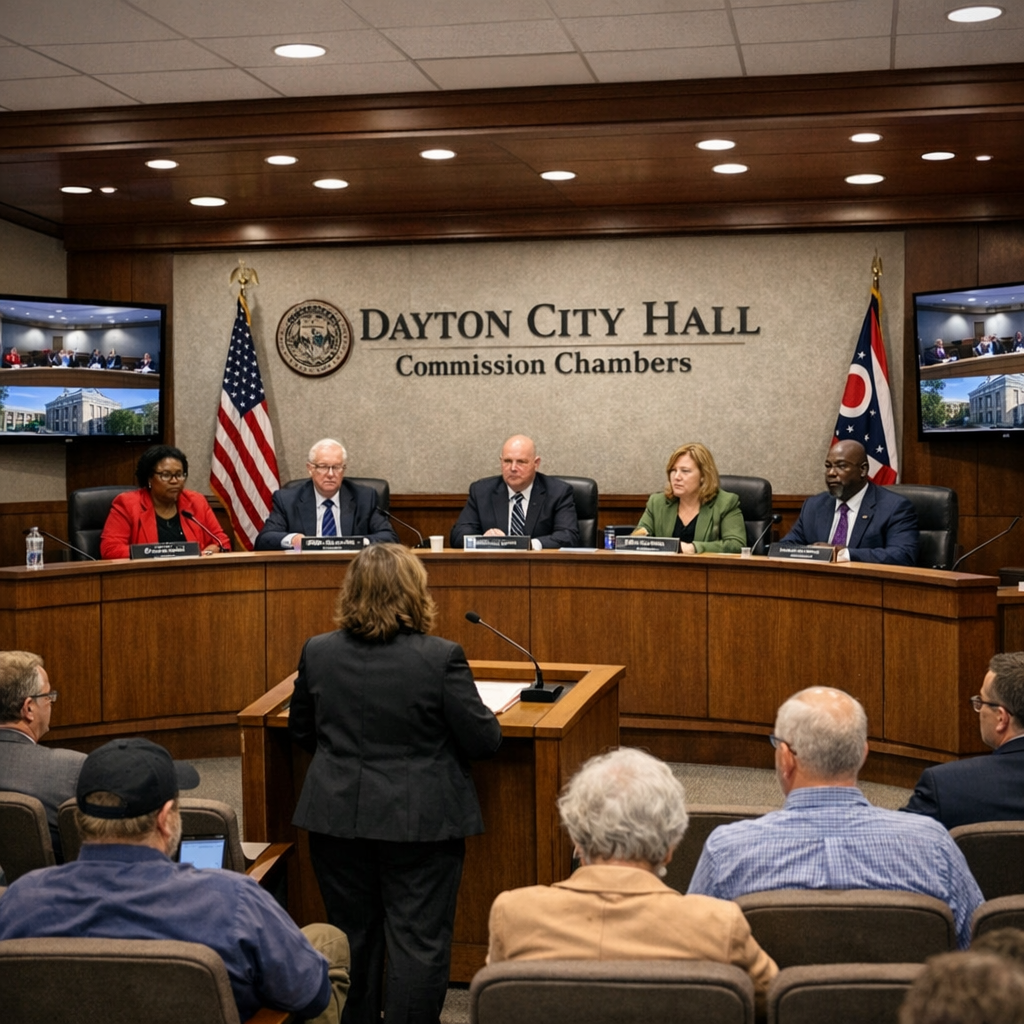
Across these issues—land use, surveillance, transportation—community input has become a powerful factor. Public hearings, town halls, and surveys underscore the role of residents in shaping Dayton’s next phase. One consistent tension: balancing development and public safety with civil liberties, environmental quality, and neighborhood preservation. City leaders emphasize that every change is an opportunity to rebuild trust with residents and reimagine Dayton’s future.